
24/7 EMERGENCY DISPATCH
(760) 825-4818

Unlike traditional gas furnaces that generate heat by burning fossil fuels, a heat pump functions as a thermodynamic transfer system. During summer, it extracts heat from your indoor air and exhausts it outside. In winter, a specialized reversing valve flips the refrigerant flow, drawing latent thermal energy from outdoor air and transferring it inside your home.
Even when outdoor air feels cold to the touch in Carlsbad Village or La Costa, ambient air contains substantial heat energy. The heat pump’s compressor pressurizes eco-friendly refrigerant, elevating its temperature before passing it through an indoor air handler coil. The blower then circulates gentle, even warmth throughout your living spaces without the bone-dry air associated with natural gas combustion.

Southern California’s temperate climate makes heat pumps exceptionally popular, particularly as California accelerates Title 24 residential decarbonization standards. In Carlsbad, two configurations predominate:

Carlsbad’s unique coastal geography exposes heating equipment to environmental stressors unseen in inland California valleys. The Pacific marine layer carries microscopic salt crystals that deposit directly onto exterior condenser fins and electrical contacts (read our detailed coastal AC corrosion guide).
As winter arrives, damp coastal ocean air settles heavily over neighborhoods west of El Camino Real. Cold, damp air forces heat pumps to run longer cycles to extract necessary thermal energy. If coils are coated with ocean grime or clogged with summer debris, heat transfer efficiency plummets, causing the compressor to strain under elevated head pressures.
Postponing your annual pre-season heating service exposes your home to three severe risks:
A comprehensive heating tune-up restores factory-rated Seasonal Energy Efficiency Ratios (SEER2) and Heating Seasonal Performance Factors (HSPF2). Calibrated airflow and balanced refrigerant levels allow your heat pump to warm your home using minimal electricity.
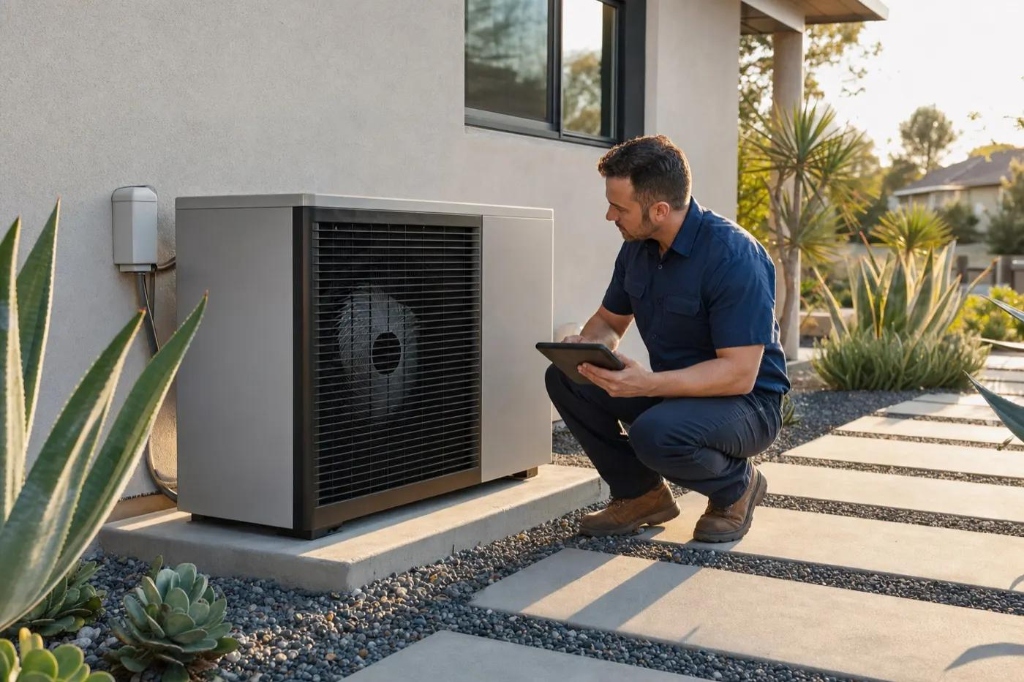
Recognizing early warning indicators allows Carlsbad homeowners to address minor mechanical issues before they escalate into catastrophic compressor failures.
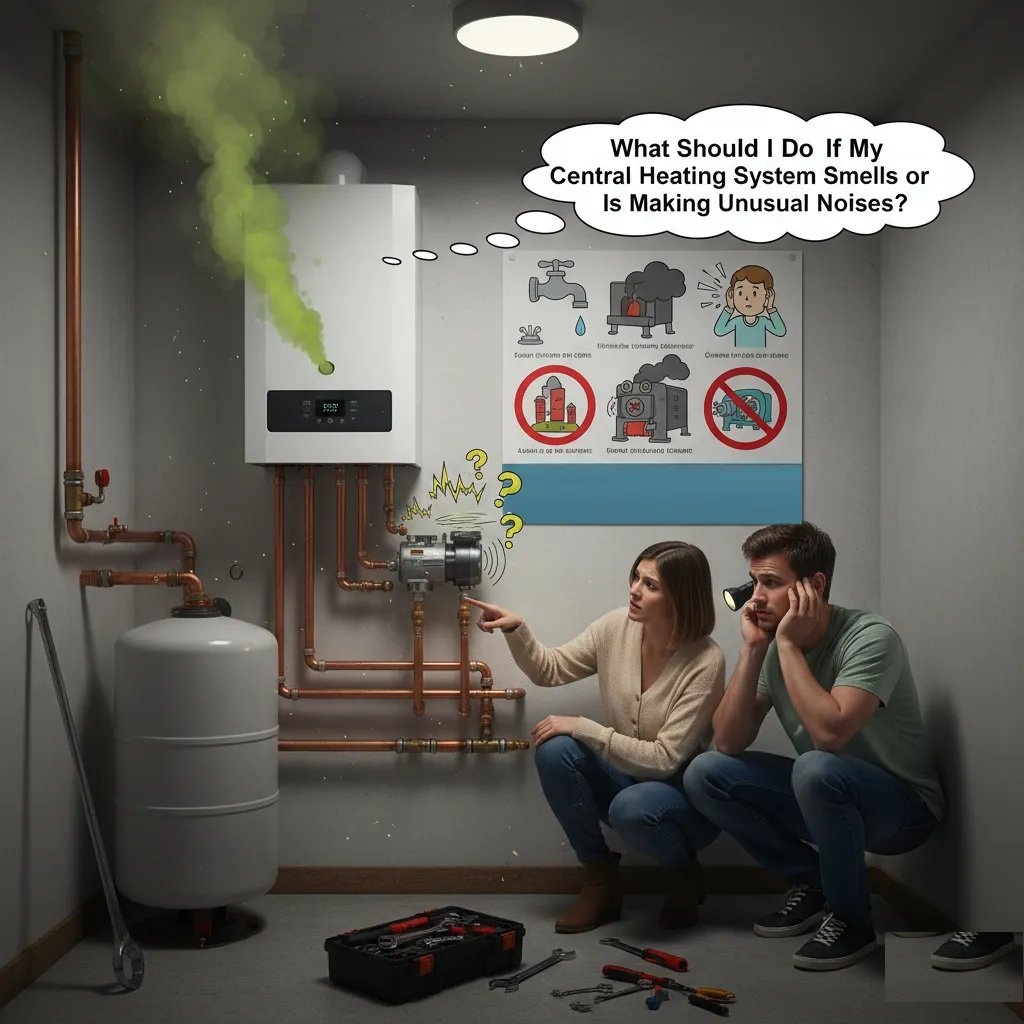
While a soft humming sound is normal during operation, loud metallic grinding, squealing belts, or rattling noises signal failing blower fan motor bearings or loose hardware. If you detect a pungent, acrid burning plastic odor, shut the system off immediately at the breaker—this often points to overheated wiring or electrical contactor arcing.
If some rooms in your Carlsbad home feel drafty while others are stifling, your system may suffer from restricted blower wheels, failing zone dampers, or leaking ductwork. Weak airflow from ceiling registers often indicates a dying blower capacitor or severely clogged indoor coils.
If your heat pump continuously discharges room-temperature or cold air when set to heat (much like when an AC is running but not cooling), the reversing valve may be mechanically stuck in cooling mode, or the system may be low on refrigerant. In heat pumps, low refrigerant prevents the system from generating adequate pressure to create heat.
If your SDG&E utility statement reveals sudden spikes in kilowatt-hour usage despite normal operation, your heat pump is working overtime to compensate for mechanical inefficiency (review our Carlsbad HVAC pricing guide to estimate diagnostic and repair costs). Similarly, short-cycling—where the unit starts and stops every few minutes without satisfying the thermostat—places enormous stress on the motor start capacitor and compressor windings.

Use this diagnostic matrix to distinguish between simple DIY thermostat fixes and issues requiring licensed Carlsbad C-20 repair:
Homeowners in Carlsbad can perform several straightforward visual inspections and preventive maintenance steps before calling a licensed professional:
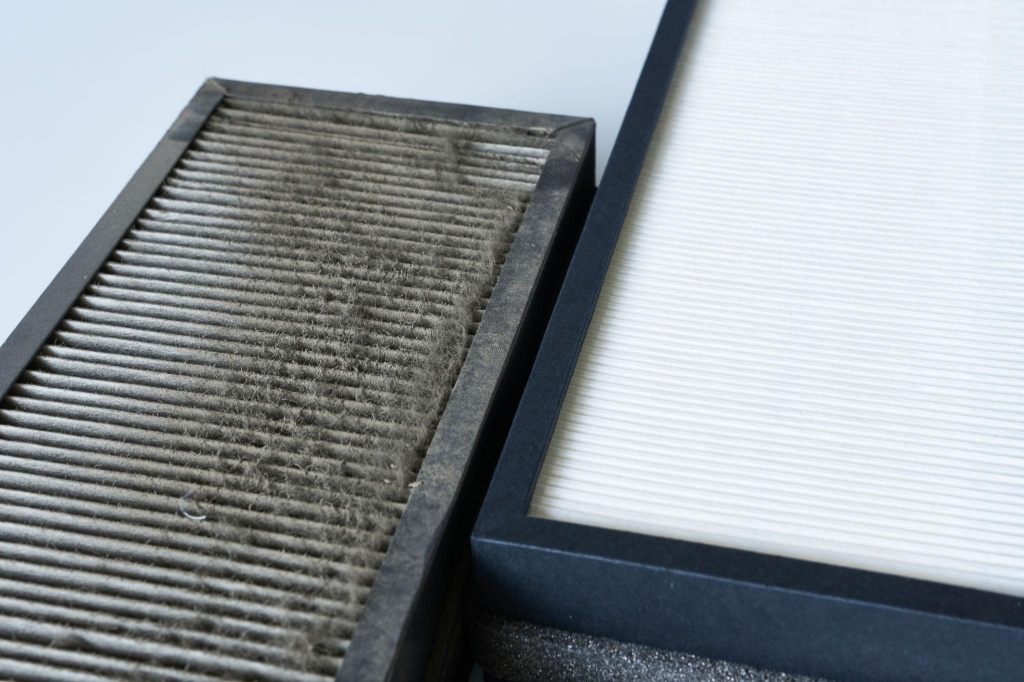
Air filters are your heating system’s first line of defense. A dust-choked filter restricts airflow, suffocating the indoor coil and causing the system to overheat and shut down via high-limit safety switches. Inspect filters monthly during winter and replace standard 1-inch pleated filters every 30 to 60 days.
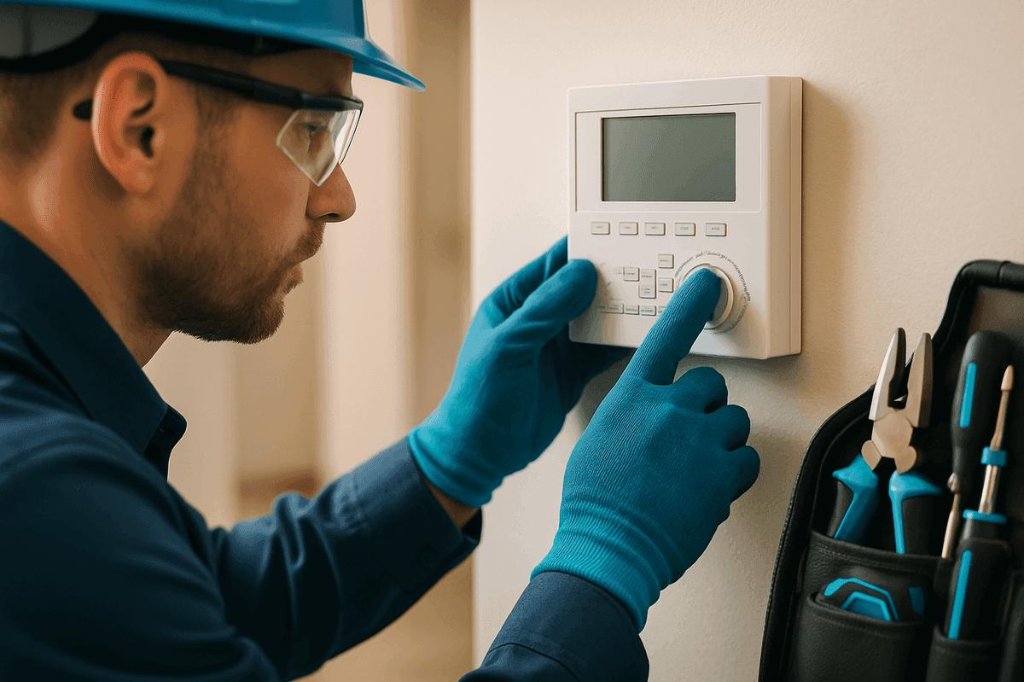
Verify that your system mode is explicitly switched to "HEAT" and the fan switch is set to "AUTO" rather than "ON" to prevent unheated air from circulating between heating cycles. Regular calibration ensures precise temperature detection and avoids unnecessary heating cycles.
Maintain at least 24 inches of clear clearance around all sides and 60 inches above the condenser fan. Trim back coastal bougainvillea, succulents, and overhanging palm fronds that restrict intake airflow.
Ensure all interior supply registers and return air grilles are open and unobstructed. Moving furniture or rugs away from intake vents restores balanced convective airflow throughout each room.

Certain critical procedures require specialized instruments, EPA Section 608 certification, and state licensing:
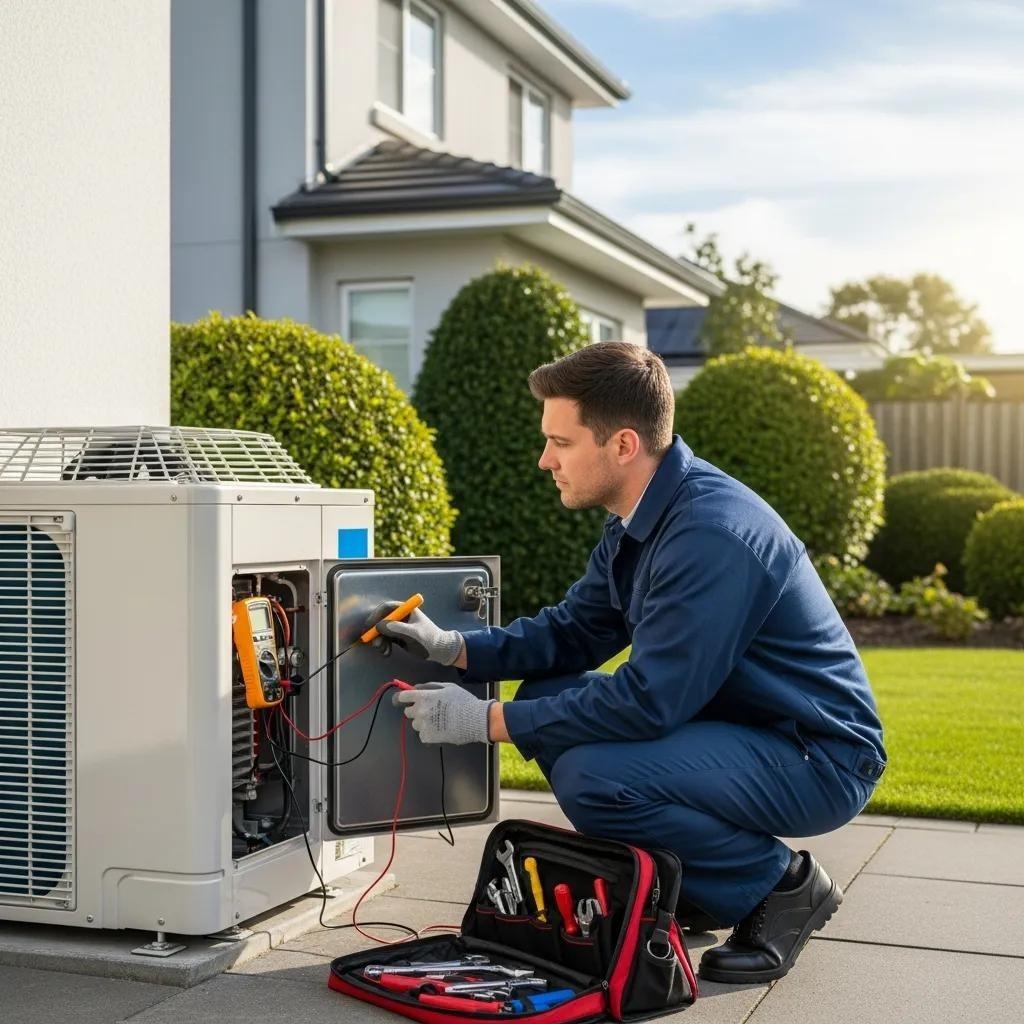
Partnering with a dedicated North County HVAC team ensures your system is evaluated across static air pressure, superheat/subcooling charging, electrical amp draws, and duct integrity tailored to coastal microclimates across Carlsbad, Oceanside, Encinitas, and San Marcos.
Licensed C-20 Technicians (#1084920) • Same-Day Dispatch Across 92008, 92009, 92010, 92011
📞 Call Dispatch: (760) 825-4818At Carlsbad HVAC Pros, we provide engineered heating solutions tailored to withstand coastal California salt-air conditions. With California CSLB C-20 License #1084920, upfront flat-rate pricing, and rapid local dispatch for both urgent heating repair and seasonal AC repair services, we keep your home warm all winter long. You can also contact our team online or call anytime for prompt service.
It may simply be running a normal 5-minute defrost cycle to melt frost off the outdoor coil. However, if cold air is continuous, check for a heavily clogged air filter, low refrigerant charge, or a malfunctioning reversing valve that requires professional diagnosis.
At least twice every year—once in early autumn before heating season, and once in spring before cooling season. Regular servicing protects outdoor coils from coastal marine corrosion and keeps electrical connections tight.
High-pitched screeching or squealing points to worn motor bearings. Buzzing or clicking indicates an electrical contactor relay issue, while rattling or banging is caused by loose hardware or fan motor imbalance.
No. Heat pumps operate most efficiently maintaining a constant, steady thermostat temperature. Turning the system off allows home temperature to drop drastically, which forces costly emergency electric heat strips to turn on when powered back up.
Follow the $5,000 rule: multiply the age of your system by the repair estimate. If the total exceeds $5,000, or if your heat pump is older than 12–15 years and uses phased-out R-410A refrigerant, replacing it with a modern high-SEER2 inverter system is much more cost-effective (see our energy-efficient heat pump installation options).